Yosemite Nature Notes · Volume 9, Number 10
October 1930
Vol. IX
OCTOBER, 1930
No. 10
An Ideal Christmas
GIFT
Nature Magazine and Yosemite Nature Notes $ 4.00 per Year
YOSEMITE NATURE NOTES THE PUBLICATION OF
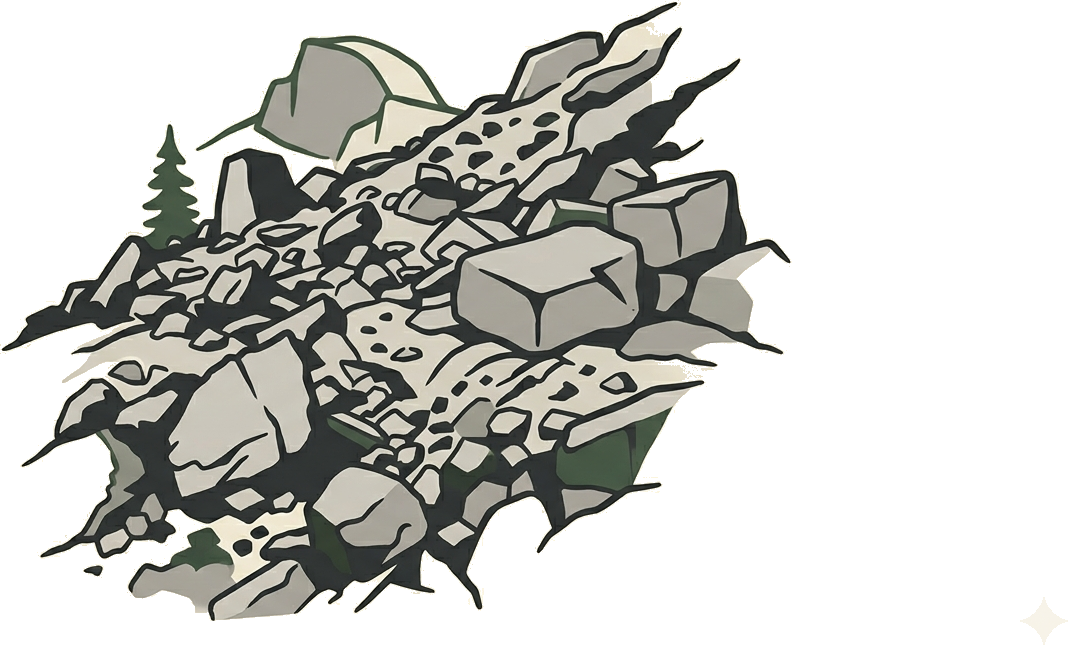
THE YOiEMITE EDUCATIONAL DEPARTMENT Published morlthly Volume IX October 1930 Number to Dry or "Moraine" Rack Garden at, Yosemite Museum By C. FMWARD GRAVES At the beginning of the course of however, and the new portion ex the Yosemite School of Field Nattended to the corner of the building oral History this summer, a suggesFOLLOWING BEST tion was made that some student
AUTHORITY
might take as a project the conMuch time was consumed in the tinuance and improvement of the preliminaries of the work, finding moist rock garden that was started suitable locations for the propel last year at the west end of the soil, getting the sod "skinned" front museum as a student project. Upon the garden location, and visiting investigating the work already done local gardens in the valley for I found that the garden, in spite of ideasIn planning the garden (Mrs Iack of water the previous fall and Graves worked with me throughout the growth of many grasses and the project) we not only drew nn weeds, was in a fairly prosperous our experience of four or five years condition Most of the introduced but obtained through the library s plants had lived, but there was a book by Henry Correvon, the lead tendency to plant and leaf growth ing world authority on alpine plants at the expense of blossoms. This entitled, "Rock Garden and Alpine was probably due to the fact that Plants-" The following quotation the loam soil used was too rich and explains the principles adopted in perhaps that the sun does not reach the building of the garden: the garden more than three or Ion; "These 'moraines' at once call to hours a day in midsummer. In mind two cardinal points of good cultivation one still only half-underplanning for an extension of this stood, drainage; another almost in moist garden it seemed a good idea ariably neglected, top-dressing. Many to provide space where plants that are too apt to fancy that the benefit like dry soil and sunny locations of good drainage is summed up in the could grow. Unfortunately, there Prevention of stagnant water about was a water pipe outlet beside the the roots. But drainage does tar more. in light soil, where it should garden so that the extension could especially be deep. it guards against net be built in the most architac drought as much as in retentive soil tut idly suitable location A connet. it guanln against sournessB♦ twas t-:ade with the thei garden ing trek u the rain it o;,,.!.,., 89'
aerating channels and carries warmth dens it is also essential : it provides through the subsoil : it prevents a food for the superficial roots, procaking of the surface in fiery sunmotes the formation of layers, cosshine and by checking evaporation recta the action of frost in lifting prevents an accumulation there of plants at the collar from the ground. saline constituents and so secures For this we use compost. If of grit, an even distribution of inorganic it will keep the soil cool in summer matter throughout the whole feeding and dry in winter, to save the leaves ground. And it is upon this slowly from damping off. Broken sandstone dissolving inorganic matter that alwill absorb the surface moisture— nine plants chiefly live. indeed, the benefits as well-nigh in- "It is true that even in the highest numerable. " ones there are extinct lake beds end
PREPARING THE SOIL
similar places where alluvial soil has First we removed the surface loam gathered to great depths : there are to a depth of several inches below half drained bogs, so that among our alpines are found plants happy. in the top of the ground and filled it loam, or peat, or swamp 13ut The with large boulders for good drainmajority grow in a shallow lave' of age, covering with layers of smaller soil upon the native rock Some etav rocks. The first layer of soil came be shallow rooters. but even These from a pit near the garbage incinedraw most of their sustenam-e, not rator containing much leaf meld from the scanty organic suhsi+ n"e around them or from such little pormixed with decomposed granite. tion of the direct rainfall whi ch that The rest of the soil came from a pit layer can retain, but from the evi r west of the "zoo." being almost puce trickling film of moisture alone the granite sand and gravel, the same surface of the rock—a moisture :eat kind of soil in which nearly all of fell as rain upon the higher slop= the dry-soil alpine plants grow and descends charged with soluble inorganic salts. Others bury their Rocks with appropriate pockets main roots far down in impercentiblc, were platted in the soil as it war inconceivably narrow fissures Imo laid down. A long half day of depths little organic matter can uenestrenuous work with the museum Irate. truck was necessary for this part ref "We could not imitate these lrs, sires except by splitting some nuce the Operation rock by chisel or wedge and fitting Next followed the gathering and the two edges close together and planting of the flowers. the most spreading a little soil about the upper interesting part of the work Sev edge. Our narrowest pockets are uy era] of the plants were collected comparison chasms. as it were. from the rocks near Lower 5'u choked with mingled grit and humus. semite Falls, such as the sedurns. Not that one even advocates the ettempt to imitate them; to do so would cotyledons, some of the ferns and be to forget the enormous waste o per:tstemons (nothing, of course, vegetable life upon the Alps—for one was taken from the trailsides) plant that survives and thrives, now Trips were made to the cliffs above many never germinate or wither almost before they nave begun to Camp Curry and hale-day excur grow? But, the fact that it is in such sions up canyons behind the Camp circumstances that alpines grow best Curry toboggan slide and near Ca demonstrates the need of a constant thedral Spires. An all-day trip rip supply of soluble salts well distribsitthe North Dome trail from Yoed, and this can be secured only bV semite Falls as far as Indian creels deep and perfect drainage. "Again, alpine plants are constantyielded several varieties, and on top ly receiving top-dressing. In nature of Half Dome an interesting assort: the process is natural. In our garmeet of eriogonums was collecrau
9 1 The problem of proper irrigation year or two. ie, of course, an all important one. It might prove desirable in the if the garden is to be a success It future to make the garden mote of is my hope that very little artificial a depository for the smaller alpine irrigation will be necessary, unless plants from the peaks of the higher the overhanging eaves intercept toe mountains. The difficulty of qusca much rain and snow. All the plant_ transportation is a big one Every in the garden grow naturally in dry opportunity should be taken to send soil and rocky crevices filled with plants down by people making quick disintegrating granite. In midtrips to these higher peaks As summer the garden is in full sunmuseum piece, the garden might l ight only from about 12 to 4 and if prove more valuable if an effort x13 amount of watering is dune were made to specialize in these and fresh granite dust mulch added higher alpine plants. People can r' ca:'crally, they should grow well more easly see the alpine plants with very little attention. The whole that grow at lower altitudes. An question of irrigation is a matter of ideal garden would include both experimentation and no definite kinds, but the limitations of space conclusions can be reached for a are serious at the present time.
RECENT MUSEUM ACCESSIONS
Mode Wineman, who spent most Stereoscope of the Mono Works of June in Yosemite photographing at Bodie. places of unusual interest or Photograph of Gertrude (Cosie) beauty, sent in as a gift to our Hutchings. museum 27 of his camera studies Photograph of the Yosemite enlarged to 15 by 20 inches, all chapel. beautifully framed in solid walnut Early photo of Cathedral Rocks. frames. These are now hung in Photo of Hosea E. Dudley, pro our museum clubroom This exhibit prietor of the early day station is a most atrtactive one and the known as Dudley's. gift much appreciated Book of sketches made by Mrs Through the courtesy of M. Hall E EIutchings. McAllister, a Smith & Wesson reJack Kearns presented to the muvolver dated 1863, and having conseum an ox yoke pin found this siderable historic interest, was summer in Camp 7 presented to the museum. Mrs. C. E. McFarland of PittsA colored geological map of the burg presented 17 original Watkins State of California, size 4 by 6 feet, stereoscopes, evidently made in Yowas received from the State Divisemite in 1861. sion of Mines. Alice James of our local Indian A manzanita match box made by village presented 'the museum a Adolph Sinning was loaned to our good exhibit of sinew. museum by Harry Harris of San Miss Henrietta F. Brewer and Francisco. ' Mrs. Eldridge M. Fowler of OakMrs Alice Dudley McLean of land and Pasadena, respectively, Coulterville has loaned to the mu, presented 12 early Watkins photos ceum the following : of Yosemite, 18 by 24 inches.
GOLDIES STORE NUTS FOR. WINTER
C. H. Oneal, Ranger Naturalist Beautifully colored, unafraid, around before they scamper away even sociable, the golden-mantled Then back they come for a new ground squirrels (Callespermophi supply. lus chrysodeirus) are easily the When the rain of peanuts has roost interesting animals at Glacier abated, they often take a dust bath Point They run about over the to rid themselves of fleas. This porch or peer upward from the they do by digging a shallow hole ground below at the guests leaning crawling into it and kicking dust over the rail to watch them. Stand over themselves If the weather is lag on their haunches, propped by hot they often crawl on top of some their tails, paws often waving in cool rock in the shade, flatten their the air, these squirrels are such exrear legs out sideways and cool of) pert little beggars they are invari
PREY OF GROUND SQUIRREL:
ably rewarded. They seem to have but few ene Salted peanuts are their favorite trues. One of these is the Califor food In order to secure these nia ground squirrel, which has choice morsels they will climb into worked its way up into the higher one's lap, crawl upon one's shoulder mountains. On several occasions or. sit in one's hand. The first few these intruders nave been seen to kernels are eaten to satisfy their kill young golden-mantled ground appetite,-then their internal cheek squirrels and chipmunks. On one pouches are filled The capacity of occasion one was seen to be eat these pouches is amazing. A hotel ing a young golden mantle. How gues ts counted the halves as they ever, this is tare. A large hawk disappeared in a certain squirrel (species unknown) was seen tai When 47 had been disposed of, the strike one and carry it away. One cheeks seemed about to burst. The night a striped skunk (Mephitis squirrel then prepared to leave. The oceidentalis) was discovered carry guest rustled the sack and back he ing one under the hotel But the, came But his cheeks ached. In worst enemies are probably the order to relax the muscles he masweasels. caged them vigorously with his The call of the golden-mantled paws. The space evidently in a metallic click very much like that creased and in went some more, a of the chipmunk This is often grand total of 54 halves of peanuts made as they chase each other His cheeks stuck out until he about during the mating season looked as if he had a terrible case But one at Glacier Point has great of double mumps. ly extended his vocabulary. He is in disposing of their excess food, called "Precious" or "Fatty' accord temporary caches are sometimes ing to the sex of his admirers. One used. However, they are more day we were surprised to hear a secretive about hiding their food in song very much like the trill of s their burrows. They usually run s German roller canary. But we short distance as fast as possible could find no bird. The next day and turn to see if they are followed Fatty was sitting in the hand of the If a boulder is near they will usual attendant of the curio store, feed ly go to the top of it to scout ing on peanuts. Her hand began {
MONROE'S BOUQUET
Ranger-Naturalist C H. Oneal In the early '80s a Negro named It is located on the old road George Munroe drove a horse stage about 100 yards before going up to through Wawona He was accus the new one between Chinquap n tomed to arouse the anticipation of and Wawona A short spur of an his passengers with vague but glow old road which is blocked by a tog ing terms about a wonderful bon marks the spot, The stump is quet they were to see en route about five feet in diameter at the This bouquet was described as base and 10 feet, high It has been being over 10 feet high. Stopping badly charred by fire The top the stage Munroe would show them hollowed and filled with dirt and a sugar pine tree growing out of humus The sugar pine is about 36 the top of a blackened Jeffrey inches high and two inches in diam stump. Appreciating the practices, eter at the base It bears many joke on themselves, the tree was close-set, well-needled branches called "Munroe's Bouquet." Reports state that formerly there Today it seems a vigorous, well was beside it a currant bush. formed tree but, according t,, The fact that a tree could woe, Ra iger Adair, not much increased under such conditions for over 50 in size This is hard to, realize be years rs amazing But there it is, : :-r,;se of its sturdy appearance. to be seen by all interested. (Continued from page 02) to shake There was our friend do not know. Many times then and vibrating all over as he gave forth later it was repeated. Each time a beautiful rollicking canary-lkk,- it was a clear-toned repeat. We trill. The estimated average dura were convulsed with laughter bul tion of these trills was 10 seconds mystified. He sat erect, his little paws presses) Trusting in man because he has against his chest while his die been worthy of that trust, the gold phragm vibrated with each note. en-mantled ground squirrels more Whether the song was natural or than repay man for their protecacquired by listening to a bird we tion.
Yosemite NATURE NO 1 l S Indian Picture Writing in Yosemite C. C. Presnall, Ass't. Park Naturalist Picture writing is the most puzstates that these picture wt icings zling of the many evidences of earare found all over the territory ly Tndian culture which are to be once occupied by the Shoshonean found in Yosemite National Park. Indian stock, which 'spread over Students of American ethnology most of the Great Basin and in have not yet learned the meaning eluded the Mono and Piute tribes of any of the pictographs that have Some petroglyphs are carved in-le been found in at least 50 localities the rocks, but most are painted in California. with red, yellow, black or vn.te pig In the Yosemite region the best meat Geometric designs ' evail example of these pictographs, or usually in irregular arrangement petroglyphs, as they are properly Tt is thought that some of the termed, is to be found in Pate valmore elaborate ones may be assoley, on the Tuolumne river, about seated with the "toloache' cult five miles above the Hetch Hetchy which was a common religious cult reservoir. On the vertical rock among the Indians of the south walls that form the northern side west In the initiation rites of this of this valley are many designs cult a narcotic plant, Datura tactscattered at random over an area abides (called toloache by the Im approximately 200 yards long and dians) was used to produce stupor as high as a man can reach. 'they frenzy and visions. are all painted on the granite with As to the age of the California a dull red pigment. Most of them petroglyphs, it is quite possible rhat are etude geometrical designs in !Itthey may be only 200 of
regular arrangement. Henry B. years o' :1. Present day Indians Schooleraft, in his monumental know nothing concerning the work on American Indians, states origin or meaning of them. but evi. that such symbols are simply chrondente shows that their traditions ological or arithmetical devices. fail to preserve any knowledge for One peculiar feature that has not more than four generations, eecept been previously mentioned concernwhen in the form of i myth The ing these petroglyphs is the fredetermination of the age of these quent recurrence of nine—nine petroglyphs offers an :nteres :ing straight lines, or dots, or angles in field of investigation for s pire one design (as at "A"). young mineralogist. There is much In Bulletin 78 of the Bureau of to Learn concerning the rate of ero American Ethnology, A. L. Kroeber shell on the inscribed rock surfaces, sums up in a few paragraphs all and also the composition if he pig that is definitely known concernmeets that were used in mating leg petroglyphs in California. He the designs.
YOhEMl ' l b
NA CURE NOTES
YOSEMITE BIRD REPORT FOR AUGUST
ENID MICHAEL Ranger-Naturalist In Yosemite Valley during the standing feature of this report month of August the days were Twice a male bird was seen visiting a, arm and the nights balmy. To rethe blossoms of potted geraniums leave the monotony of sun-filled that stood on a window ledge in the days grand cumulus clouds often new village. appeared and floated Ieisurely The old bull elk in the paddock across the summer skies. Occasionstarted to shed the velvet from ins ally these clouds banked in great antlers on the second day of the billows and thunder showers seemmonth. On August 4 he began to ed imminent, but only twice during bugle and by August 13 be had his the month did showers wet the harem gathered about him while paved roads and so slight were they he bellowed defiance to the herd of that they had no effect on the sunyoung bulls. baked soil. Elderberry (Sambucus), Coffee At the end of the month the lowBerry (Rhamnus), and western lying meadows still retained some choke-cherry (Prunus demirsa) are shades of green, but for the most all bearing fair crops. Robins prepart the open spaces had taken on fer the fruit of the prunus. Pig-co is, he tawny tints of late October. In both species of grosbeak, and the plte of the utter lack of rainfall tanagers prefer the coffee berries. some flowering plants manage to The Kellogg oaks have a fairly pi osper. Prominent among the late good crop of acorns this year while,dco,_iing flowers on the floor of the golden-cup oaks have practithe valley were Yosemite aster, less cally no crop at all. o ngia and buckwheat (Ericgonum
AUGUST BIRDS
virgatum). In the loose soil along Great Blue Heron—A lone bird the highway this late blooming erionoted on two occasions. dcnum made a wonderful show Spotted Sardpiper—Only twice noted even at the end of the rainless during the month. Last noted Am month. On the cliffs above the valguBand-Tailed Pigeon--Perhaps a ley floor colonies of mild fuchsia dozen pairs present throughout the (Zauschneria) spread patches of month. The last 10 days of the fiery bloom, and here it was that month a band of a dozen birds came hummingbirds of three species daily ot feed on the wild enbergathered to fight and feed. SeemIi Mourning Dove—A lone abi danoted ingly all of our hummers have a August 29. strong preference for red flowers. Sharp-Shinned Hawk—A family Fifty-five species of birds were group noted August 6 and ii. Feted for the month, which number Cooper Hawk—A lone individual noted August 16. is three below the August average Red-Tailed Hawk---A lone bird seen of the last 10 years. Also many of sailing over the valley on several the species present were representoccasions. not ed by less individuals than in forGeold deonn tEwaglo o e—A ccasionslone individual. mer years. This month brought the Sparrow Hawk—Present daily and nesting season to a close. The last lilceI to be found about any of the occupied nest that came to our atmeadows. tention was noted August 6. This Horned Owl—Only noted once durnest contained four young robins the tohwel mwoansthbeai.nndg omn c by loa about ready to leave. With most number of smaller birds. species of birds the song season Pigmy Owl—Twice seen during the also came to a close. However, the month and once the bird was heard songs of the yellow warbler and the singing. Bassin vireo were heard aImcst daily Kingfisher—Present daily Y and birds likely to be seen anywhere during the month. Songs. of the along the river from Happy Isles to canyon wren and the Sierra creepPohono bridge. or were occasionally heard. The Hairy Woodpecker—Present daily. presence of the Allen hurnrningb.rd g otvnuwasolike butto ahaveoitsnwo Paiodr in the valley is perhaps the ciao cutor family group.y,
YOSEMITE NATURE NOTTS
Willow Woodpecker—No doubt occasionally seen. present daily as birds could be found ( een-Backeu Goldfinch — Small when ever we made an especial bands of these birds were often search. sound feeding on the seeds of the White-Headed Woodpecker—Absent evening primrose or on the seeds of from the valley during the greater the cone flower in the Ahwahnee part of the month, but toward the grounds. enu or the month they began to reWhite-Crowned Sparrow—On three turn. occasions a bird that I took to be a Red-Breasted Sapsuker—Alone Hudsonian wuitecrown was seen in male noted on two ocasions. the Ahwahnee grounds. Pileated Woodpeckers—The lone Shipping Sparrow —Rare thi male noted August 2. montn. docks were seen and California Woodpecker—A common there were days when we failed to bird in all the Kellogg oak groves find a single bird. about the valley. Sierra Junco—Also rare and missRed-Shafted Flicker—Present daily. ing entirely on several of our early Next to the California, the most cornwalks. mon woodpecker. Sacramento Towhee—No doubt a Black Swift—August 18 a lone few birds present throughou, the bird was seen and on August 21 a month as they were always to he little band of 10. roust; in certain haunts. White-Throated Swift—Notso Green-Tailed Towhee—A lone indinumerous as usual this month. The viuual was noted on four different larger flocks probably feeding beoccasions. yond the "rim." Western TanagerPossibly a fey: Anna Hummingbird—Lone m a 1 e biros present tnrougluout the month. birds noted on several occasions. Rather more common the last Lew Allen Hummingbird—Twice noted days of the montn. during the month. A new record for Warbling Vireo—Probably a few the Yosemite Bird Report. On Aubirds present througnout the month, gust 18 six male biros were seen but as they were silent they were teeding in the Zausc;tneria gardens rarely noted. at the base of upper Yosemite Fall. Cassin Vireo—Not numerous, but Calliope Hummingbird—Lone indias they were again in full voice the viduals frequently noted. last two weeks of the month they Western Kingbird—Lone birds were often noted. twice noted. Yellow Warbler—Probably the only Black Phoebe—A lone bird often warbler present throughout the seen along the river near the Sentimonth. fiong;:e ird al___ost 'sally. nel Hotel. Black-Throateu tray Warbler—A Olive-Sided Flycatcher—A lone indilone bird noteu August 8. vidual noted August O. Hermit Warbler—A family group Western Wood Fewee—Rare this noteu August month but we could usually find one 'iolmie Warbler—Lone birds occaor two when our walk took us cionally no :e... through the cottonwood groves along Water Ouzel--A lone bird noted on the river. the main river August 25 Trail] Flyacteher—Possibly a few Canyon Wren--No doubt present birds present throughout the month, daily as there were three locations but on many days we failed to find where we could usually find a singa single bird. ing bird. Blue-Fronted Jay—Considering all sierra Creeper—Probably a few sections of the valley the jay was birds present throughout tie month, probably the most common bird. but there were morning walks when Bullock Oriole—A lone bird noted sic failed to see a single bird. on two occasions. Red-Breasted Nuthatch — 0 n 1 y Brewer Blackbird—Rare durin twice noted during the month. most of the month, but on August 21 Mountain Chickadee—Possibly two a flock of 100 was seen and on Aupans present throughout the month. gust 26 there was a flock of at least Western Gnatcatcher—A lone bird 200. They were here today and gone noted on two occasions. tomorrow, llusset-Backed Thrush—A lone bird Evening Grosbeak—Just about as noted on the first day of the month. numerous and as talkative as the Western Robin—Rather common. blue-fronted jays. Flocks of 20 or More numerous the last week of the 25 not uncommon, month. Outside birds probably came California Purple Finch—Excepto the valley to help clean off the tionally rare, Two or three birds crop of wild cherries.
<!-- Page ll -->
This is the official publication of the Educational Department of Yosemite National Park It is published each month by the National Park Service and its purpose is to supply authoritative information on the natural history and scientific features of Yosemite National Park. The articles published herein are not copyrighted as it is intended that they shall be freely used by the press. Correspondence should be addressed to C. A. Harwell, Park Naturalist, Yosemite National Park, California
C. G. THOMSON
Superintendent