Yosemite Nature Notes · Volume 7, Number 12
December 1928
DEPARTMENT OF THE INTERIOR HUBERT WORK. SECRETARY NATIONAL PARK SERVICE STEPHEN T. MATHER. DIRECTOR YOSEMITE NATURE NOTES VOL. V1I
December 1928
NO.12 "LEARN TO READ THE TRAIL-SIDE"
s r UM? El' NA rK)NAL pAR.
This is the official publication of the Educational Department of Yosemite National Park. It is published each month by the National Park Service with the cooperation of the Yosemite Natural History Association, and its purpose is to supply dependable information on the natural history and scientific features of Yosemite National Park. The articles published herein are not copyrighted as it is intended that they shall be freely used by the press. Communications should be addressed to C. P. Russell, Park Naturalist. Yosemite National Park, California.
E. P. LEAVITT
Acting Superintendent
YOSEMITE NATURE NOTES THE PUBLICATION OF THE YOSEMITE EDUCATIONAL DEPARTMENT AND THE YOSEMITE NATURAL HISTORY ASSOCIATION
Published monthly V olume V1I December Iy28 Number 12
THE SLAUGHTER OF THE TRUSTING
By C. H. Oneal Mutual friendliness marks the interrelationships of animals in Yosemite valley. Many years of kindly associations with man has overcome all their instinctive fear. These creatures have come to look upon man as their rriend. Aloofness and terror have been replaced by companionship and trust. Under this kindly treatment these animals have increased greatly in numbers Man should not break this faith. Men, seemingly intelligent men, sportsmen with a perverted idea of what constitutes real sportsmanship, openly boast of killing these kindly animals. Deer that would eat out of your hand while looking trustingly into your eyes have been slain at the very edge of the park boundaries. Sear that have lost all fear of man, that do man no injury, have been wantonly shot in large numbers as they strayed across the line. How do these hunters profit? Are ing some of our choicest friends. they hungry? Do they need fur Such individuals influenced legisfor clothing? Neither. They are lators to remove all protection ofconsumed with the lust for blood, fered hear. This was done while all coupled with the selfish incentive true sportsmen and nature lovers for the opportunity granted for were off guard. Bear can now be their egotistical recitals of the shot any time of the year just outprowess of their markmanship. It side the national park. Taking adis vanity. Is it sportsmanlike? It vantage of this laxity, these men is not. Real sportsmen like to pit have met the bear at the very edge their knowledge against that of of the park. What is the result" their quarry; their courage and enBut a fractional number of the bear duranee against those of animals. that formerly delighted the park They like the odds about evenly visitors are now seen. A few years divided. The odds given by these ago as many as sixteen to eighteen pseudo-sportsmen is no more than bears. were seen in a single night 1s taken in shooting a milch cow in at the garbage dumps known as the a pasture. The desire to kill has "bear pits." The most seen this overcome their intelligence. Their year at one time was five. Can we Illy begotten, misguided, so called ignore the "handwriting on the pleasure is in danger of exterminatwall?" Is the black bear to be I01
exterminated, lost to all future genoutside should be saved. In addierations, as is the case of the tion, species such as the black bear grizzly bear, the prong horned antethat are in danger of being extermilope, and the mountain sheep? That nated should be protected at all depends upon all true lovers of natimes by the most rigid laws adeture. quately enforced. In this way our There should be a game reserve posterity would have the pleasure around the entire park. While the and enjoyment of seeing and underconcentration of animals would alstanding these wonderful animals. ways be the greatest in the park, Let us give the future generation any animals that might wander their rightful heritage.
THE YOSEMITE CONY
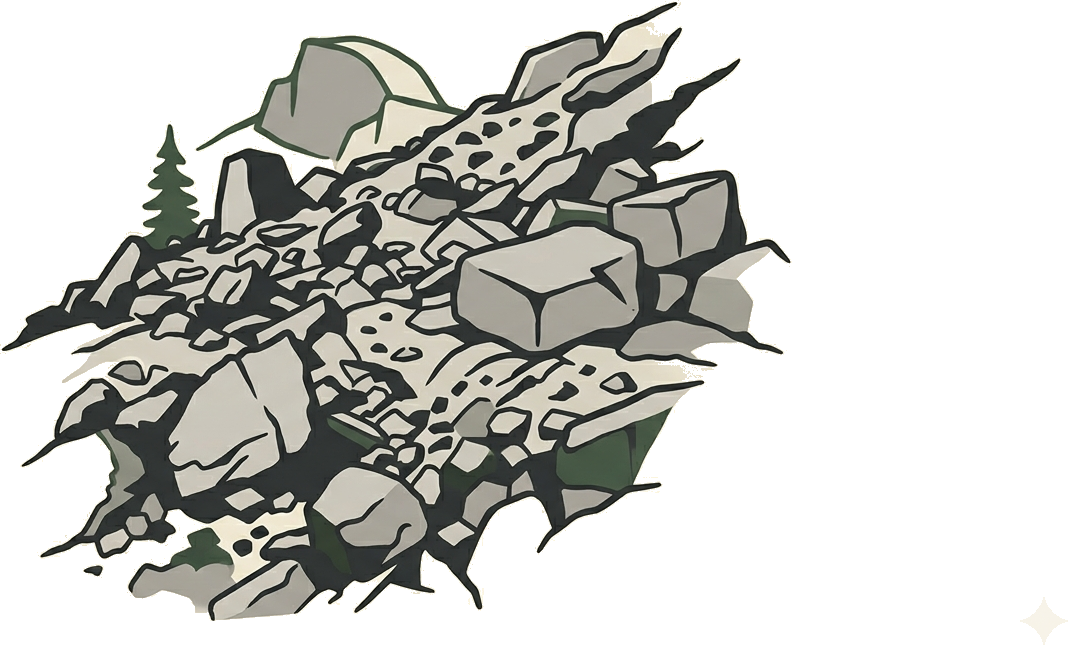
By William C Godfrey The Yosemite Cony (Ochotona unique animal, with a picturesque schisticeps muiri, Grinnell and individuality. Storer) throughout its range is a Conies are found only in the dweller in the high mountains. The northern part of Asia, in Alaska, mention of its name invariably and southward along the higher brings to mind associations of the mountain ranges, where they conbare rock, dwarf tree regions near sistently keep to the rock slides, timber line. Here, among the rocks finding effective protection there in the great open patches of broken among the boulders and debris. In granite nearly devoid of vegetation Yosemite National Park there are and, in most cases, far from water, conies inhabiting the slopes as low the peculiar, almost pathetic, cry of as 7700 feet. Thence they range upthis little rock-loving animal may ward to about 12,000 feet altitude. frequently be heard. The Weasels Their Foes The' cony, though often called Though bushy-tailed woodrats pika and little chief hare, is still (Neatoma cinerea cinerea) and more commonly dubbed rock rabbit, marmots (Marmots flaviventer sierfor it is structurally allied to the rae) may, on occasion, occupy the rabbits; yet its appearance is more same rock slide, there is not any like that of a rat. Strangely enough, evidence that they molest the small miners of certain districts have er rodent in any way. The Sierra come to call conies "starved rats," pine marten (Martes caurina siereither because they have thought rae) and the least and mountain them emaciated or because of the weasels (Mustela muricus and Musrather starved appearance, so far as tela arizonensis) are all potential vegetation is concerned, of their foes of the cony, and, undoubtedly, habitat. Although possessed of this the weasels, at least, do occasionaland that character which likens it ly make a killing among them. to one or another species of animal, Where bleached granite boulders. the absence of visible tail, the large made brighter by contrast with the rounded ears, hunched appearance, deep shadows of stunted trees, unodd little bleat, and fascinating anfold in beauty before the eye, one tics make the cony an entirely mtly sonreh long and in vain for
the author of a certain strained, tage, the cony can enjoy a widebleating call. Though moderately angle view of the panorama below loud, the peculiar, thin quality of and yet in an instant seemingly the call leads one to look for a small tumble backward into the shelter of animal. It may be uttered but once its slide, if it appears advisable. It again, it may be repeated for ten or is in this position that the cony exsifteer: seconds, at first rapidly, then presses its most rabbit-like charupon first sight of an intruder; acteristics. When its curiousity is more slowly, as if the cony's breath aroused, its head is often raised were being gradually exhausted, the abruptly, its feet shuffled, and its last note ending with an almost nose wiggled. The movement of
THE YOSEMITE CONY
agonizing squeal. The animal is the head, though, is much faster usually very hard to locate. This is than that of a rabbit. The cony partially due to a ventriloquistic moves rapidly and with ease about quality of the sound but even more his slide, with apparently no conto color resemblance to the rocks cern for the steepness or smoothupon which it sits. Finally the litness of the rock surface. tie creature may be located within At home in the land of shortest a hundred feet of the observer, growing seasons, with winter conhuddled on the crest of a backward ditions prevailing for more than slanting rock, with body usually half the year, the cony faces a sera partly protected by the rock from ous food supply shortage annually. the direction of the threatening Rather than lie down on the job danger. From this position of van (colloquially speaking). as many
1z:4
other alpine species do, by hibernathave the fragrance of the most :rig, it practices similar methods to carefully cured hay and, more than those employed by the acorn-storthat, remain with natural colors mg California woodpeckers, the hardly faded. This speaks well for honey bee, and the human farmer. the factors of ventilation, shade. Summer months of industrious drainage from below and protect-r preparation are spent cutting, curfrom above. ing and storing away in a dry, wellAs in the case of rabbits, the drained rock barn those plants breeding season is a long one, and which grow in the immediate vicinyoung may be brought forth etntost ity. Certain grasses and sedges are any time throughout the summer especially favored in this hay-makThey are not seen about on the lag. A bushel or so of material rocks until quite sizable and welt may be stored away in one den. able to take care of themselves. Pine needles and twigs are someThree or four embryos is a common times included in the winter larder, number in this region. lending to the whole something of Pleasing appearance, unusual the appearance of a nest. characteristics, and wonderfully Early morning and evening hours specialized mode of life combine to are the busiest outdoors for the make the Yosemite cony one of the cony, these being the around-andpark's outstanding animals. And about time for practically all birds who could fail at some time, when and mammals. They are not great in the very vortex of the big city travelers and rarely, if ever, are to wish that he might for just a seen to venture farther than a few time be a cony, high, high up in the yards from the sanctuary of the rarefied, pure atmosphere of the home slide. Choice of storing place mountain, perched on some warm. is so excellent and the manner of rocky vantage, with all the wend nay-making is such that the plants at its feet?
HETCH HETCHY
by Olive Pye Since the building of the great Leaving the sugar and yelloa dam, from a tourist's standpoint, pines, one comes into the open. what is Hetch Hetchy like today? five miles below, catching the rrrst Has a great cathedral been defiled, glimpse of the valley and lake. t _ or did the construction work turn late July the predominating calo. back time to the era when it conare gray and blue---the gray o' tained a glacial lake three miles granite and digger pine and dainty long? Though comparatively few lessingia, the water reflecting the of Yosemite's thousands go there, sky. Immediately one is reminde.. the trip can be made easily in that the lake is man made, iithree and one-half hours one way, great dam, 226 feet high and extaking time to enjoy the forests tending 118 feet below the sur,nterspersed with meadows and the face, blocks the narrow gateway Tuolumne Grove of Big Trees. of the Hetch Hetchy, only 900 feet
1G5 across. To appreciate the beauty fingers up the Tuolumne canyon one must turn his back on the and planted a chaparral composed darn and look at the cliffs enclosof manzanita, ceanothus or deer ing the lake or down the great bush, yerba santa, currant, the canyon. basket penstemon, and scrub goldHetch Hetchy has had the same en oak. Although John Muir geological history as Yosemite— speaks of many moisture loving uplift of mountains, stream erosion, plants such as the azaleas, spirea followed by glacial action. Like it allspice, and syringa—orchids, lilies the varying width of valley and the and brodiaeas, they have either perpendicular cliffs are due to difbeen destroyed or are found In forent degrees of hardness and the little canyons now difficult of acjointing of the rocks which have cess. Above the digger pine and facilitated erosion more in some golden cup oak belt, the Douglas places than in others. Many fafir, incense cedar and yellow pine mous Yosemite features are dubegin, with only a few firs and plicated here: El Capitan, the sugar pines until the rim is Royal Arches, the North Dome, reached. and there is Wapama Fall, 1700 Hetch Hetchy is beautiful today, feet, partly hidden by rocks, and yet it brings a sense of sadness earlier in the year the dainty Tueethat people have lost "one of naulala. The cliffs come down so ture's rarest and most precious precipitously to the water's edge mountain,emples." As the movethat it leaves no room for a trail, ment to increase the number of and no camping is permitted state parks is on, let us remember nearby. that "everyone needs beauty as Along the road and in the lower well as bread, places to play in part of the valley the most cornand pray in, where nature may neon tree is the digger pine, for heal and cheer and give strength though the floor is only 300 feet to body and soul alike" (John lower than Yosemite, the upper Muir) Sonoran vegetation has reached Its
THE CHERRY HEDGE AND FEEDING BIRDS
by Enid Michael One of the show places in Yotrunk of a Kellogg oak and watchsetnite Valley during the late Aued the birds that came to the hedge gust days is the cherry hedge that to feast. stretches across the Kenneyville The evening grosbeaks, young and field in front of the Ahwahnee old, were here in great numbers. Hotel. Every cherry bush is heavFamily groups were scattered from Ily hung with great clusters of red one end of the hedge to the other. ripe fruit. Mixed through the hedge These birds seemed to show a prefat intervals are wild coffee berry erence for the coffee berries, but, bushes, and these are also loaded as the coffee berry bushes were few with fruit. This morning I sat in in the hedge, many grosbeaks had the shade with my back against the
1 05
YOSEMITE NATURE NO'1'ES
to be content with a fill of cherries. and storing acorns; between times Next in number of individuals on they found time to play or gossip. the feeding ground were robins. AtA Cooper hawk came onto the tracted by the abundant food supscene, and all of the feeding birds ply, most of the robins of the valley dived to cover. The killer hawk were here. Theirs was a mixed diet, flew into an oak to wait his chance for besides the cherries and coffee to strike. Save the evening grosberries there were fat worms to be beaks, all of the birds became sihad in the field where men were lent. A wave of squally notes ripploughing. pled along the hedge, and then in a Band-tailed pigeons came for moment grosbeaks in small groups their share of the fruit. These began to pour into the air. All neavy-bodied birds swung like groups headed in the same direcclumsy parrots on the slender chertion, and in a few minutes all of the ry branches but, awkward as they birds were gathered together in the were, they appeared to be efficient top of a very tall pine. For perfeeders, for even when hanging haps ten minutes animated converhead down they had no trouble in sation was carried on in the treeswallowing berries. top, then suddenly all birds took Out in the field a snarrow hawk to the air, and, forming into a cornwas hunting grasshoppers. Calderpact flock, they winged their way nia woodpeckers were gathering down the valley.
FRIEND :3 -I HAT COME IN THE NIGHT
by Jeannette Parkinson A few of the guests at the Field game of hide and seek, in and out School Camp came only at night, of a squirrel hole not two feet fron when we had to turn the flashlight the toot of the bed. They appar on them in order to know by whom ently wanted to hide, but couldn' we were being visited. resist the fascination of the light One night, on hearing most 1)e_ and kept coming back to see riliar footsteps, we turned on our though obviously they could set lights and saw a beautiful jumping nothing in our direction. mouse (Zapus pacificus alleni) cornImagine our surprise, and might ing into our outdoor kitchen. He we say, consternation when, calm seemed to jump three or four feet ly waving his plumy tail, out from at a time, but when suddenly blindbeneath the bed walked a third ed by the gleaming eye of the flashmember of the family. He joinec light, hopped about confusedly, this the others and eventually they all way and that, in short jerky hops, disappeared down the hole. before getting his bearings enough Again in the night we heard them to make his escape. scratching and digging among the Later we heard the leaves rustling leaves and even wrestling with a in the Azalea thicket and, flashing salmon can that had been left under on out tight saw two little spotted the kitchen table earlier in the eveskunks, who immediately began a ping.
GROUSE FRIENDS
by C. H. Oneal The pleasure of Glacier Point is a hen with chicks just merging ou' greatly heightened by the friendly of the downy stage. attitude of the Sierra grouse. UnSome of these,, rouse attain a obtrusive and quiet in their habits, remarkable degree of tameness their color blending perfectly with Continued kindness and feeding the mottled dark gray shadows of has so overcome their instinctive their habitat, their presence would fear that they will often times eat seldom be noticed if it were not out of one's hand. As the shadows for the occasional clucking of the began to lengthen and the number hens or the booming of the cocks. of people diminished at the "Look A few incidents served greatly to out," an old hen would sometime: increase our admiration for these alight on the stone wall in front birds. She was as talkative as any domes One evening early in July while ticated fowl and kept up a con sauntering up the Illilouette Trail, tinual clucking. She was given we found our progress questioned food a number of times but did not by a male grouse. He made reseem to be hungry. Presuming peated sallies, dragging his wings upon our acquaintance, I slowly ex in the dust. At the end of each tended my hand and was able to charge, he would stop suddenly, stroke her neck and bath. During inflate the air sacs on his neck, this process the clucking was ac lift his head and lower his tail, and celerated, and no fear indicated. salute us with a defiant booming. The gentle, trusting nature of Suspicious that this warlike demthese birds, accompanied by their onstration had hidden motives, we ready adaptability, no doubt would reconnoitered and discovered about make them easily domesticated. a hundred feet farther up the trail
A RATTLESNAKE BANQUETS
by Margaret Byrkit During the first week of the field field mouse was put into the cage. school, members of the class brought and immediately made hill :self at in a live rattlesnake, captured on home, chewing a bit of;; and the bridle path in back of the new when propelled toward the snake, village. The capture was made by walked over the latter and begat) to means of Dr. Ralph Chaney's goofbite the rattles. This aroused the ogy hammer, a forked stick and a sleepy reptile and, closely observing string. After being photographed, the mouse, awaited a t'me for rethe rattler was taken to a cage at venge. Suddenly, without even coilthe museum. Mg, the snake bit the mouse, cansMr. Rattler was given an lodeing instant paralysis of the left pendence Day banquet. A lively front kg. The s_ral;o struck ap_a '.n
Io8
and in a few seconds the mouse was cess of swallowing, the mouse restretched out dead on the opposite mained in the same relative position side of the cage. to the ground, while the snake The snake came over to his victim, moved himself around the obstrucmoved about to secure the most adtion, continually upward, until the vantageous position and finally diswhole was within his body. Then, located his jaws to permit of the with a few additional stretchings, swallowing whole of the mouse, the rattler again sought his corner which was taken in head foremost. to await digestion. The entire proIt required great effort and much cess of killing and devouring the motion and further expansion of the victim required about ten minutes. jaws to allow the passage of the litFive days afterward the indigestible tle animal, but eventually every refuse was disgorged. trace disappeared. During the proMICROSCOPIC FRESH WATER FORMS by Dorothy Hack A muddy, stagnant, evil-smelling manner of a whip. Among the Cilates pool, left by the Merced river as the are found Paramoicla, somewhat water lowers, is apt to be stepped smaller than the common form over by the average individual with which is found in hay infusions. A no more than a very casual glance. Vorticella, probably the same speAn examination of the contents of ties found in stagnant water at such a pool would reveal only a few lower altitudes, is found sparingly. larval forms of. insects and CrusIt is usually attached to minute partacea, and perhaps a stray trout fry titles of brown scum. One or two or two, left stranded when the interesting forms closely related to water receded. Filamentous green Euplotes have been seen, their giant algae would perhaps be present— cilia extending from the posterior slimy Spirogyra and Mostoc. Howregion of the body being a chief ever, by examining under the microcharacteristic. With sufficient pascope a drop or two of water from tience and a good microscope, varia particular stagnant corner of the uos species of the Amoeba may be pool, a very interesting fauna and found. flora are revealed. Diatoms, those peculiar green One-celled animals, Protozoa, and algae which have a limy skeleton one-celled plants, Algae, are abunand which are capable of indepen dantly present. Among the former, dent motion, are commonly present. very small green flagallates, barely Desmids and other one-celled algae visible under the highest magnificaare readily found. tion, predominate. They may be Of the microscopic many-celled readily recognized by their extremeanimals rotifers are the most easily ly rapid wavelike motion, the flagelseen. Microscopic larvae of mollum, by means of which they move, lusks and Arthropods are abundant. being waved back and forth in the
<!-- Page ll -->